Title
Renovation The Challenge The Opportunity (NOTE, i'm not sure we need an intro)
How we renovate today will shape both people’s health and the planet. Renovation rates remain too low and must significantly increase to meet climate targets.
The challenge is complexity. Renovation is often seen as risky, with fragmented processes and a tendency to favor demolition, leading to the loss of valuable materials and embodied carbon.
The opportunity is clear. Retrofitting can reduce costs and emissions while enabling material reuse. For architects, it opens a new approach: working with what already exists to extend the life of buildings and create healthier spaces.
Renovation
The Challenge
The Opportunity
The building industry is already the largest CO2 emitter in the world, responsible for
38% of global emissions, and 1/3 of the planet’s waste.
Renovation
The Challenge
The Opportunity
New buildings require 40 to 80 times more resources than renovating what already exists.
Renovation
The Challenge
The Opportunity
Yet, every minute in Europe a house is demolished & by 2050, Europe is set to demolish 2 billion square meters of buildings, which is enough to house 50 million people
- as is.
Renovation
The Challenge
The Opportunity
On top of that, still today 1 in 4 Europeans are exposed at least 1 out of 4 indoor climate hazards that has a direct impact on their health.
Renovation
The Challenge
The Opportunity
It is happening during housing crisis while millions are struggling to find an affordable and healthy home.


Renovation
The Challenge
The Opportunity

The building industry is already the largest CO2 emitter in the world, responsible for
38% of global emissions, and 1/3 of the planet’s waste.

New buildings require 40 to 80 times more resources than renovating what already exists.

Yet, every minute in Europe a house is demolished & by 2050, Europe is set to demolish 2 billion square meters of buildings, which is enough to house 50 million people
- as is.

On top of that, still today 1 in 4 Europeans are exposed at least 1 out of 4 indoor climate hazards that has a direct impact on their health.

It is happening during housing crisis while millions are struggling to find an affordable and healthy home.
“How our homes will be renovated will have a decisive effect on the health of both the people and the planet.”
5 principles
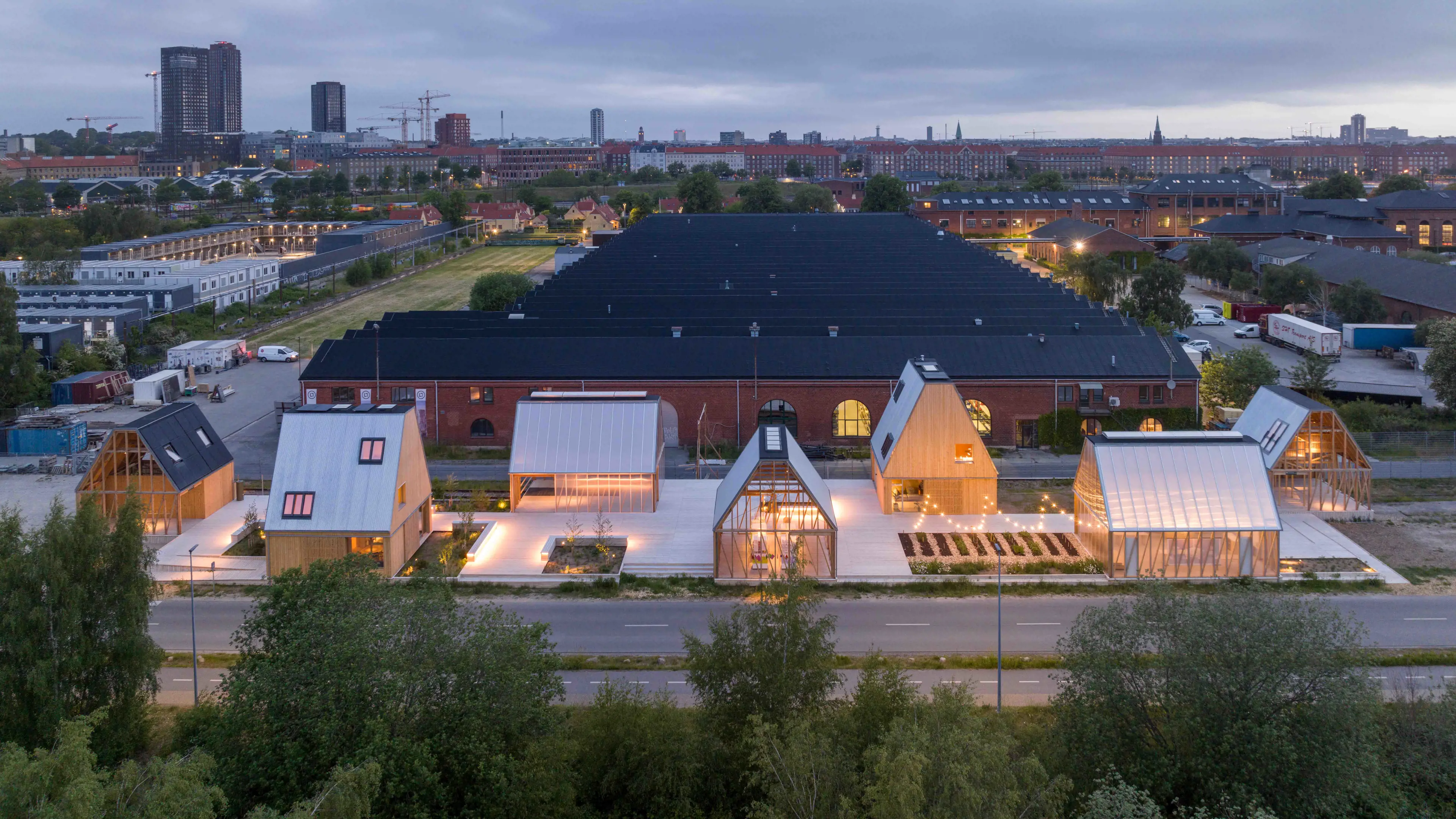
At the heart of the concept of Living Places are five core principles designed to redefine our built environment. These principles serve as a framework for creating homes that are not only sustainable and healthy but also scalable, affordable, and commercially viable.
More than just a set of rules, these principles represent a holistic approach to design and construction. Every material, technique, and design element is carefully considered to ensure the well-being of both people and the planet. Living Places is a testament to the fact that sustainable living is not a futuristic ideal, but a tangible reality achievable today.

Healthy
What if we could build homes that are healthy for both people and the planet?

Shared
What if we could strengthen our sense of community by rethinking how we live?

Simple
What if a new way of building can enable easy upgrades and a longer lifespan?
Adaptive
What if we can create homes that respond to more ways of living?

Scalable
What if by rethinking the way we design, plan, and finance homes, we could unlock housing for the many?

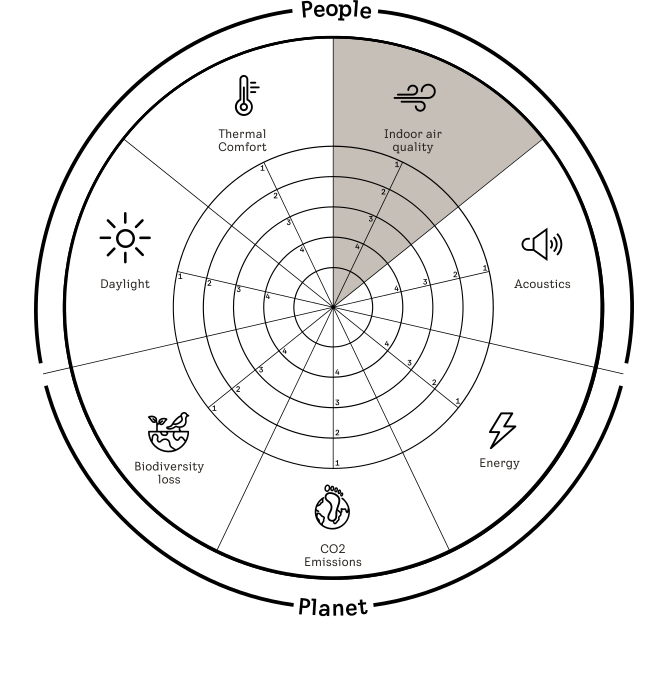
Fresh air is essential for healthier spaces, with low-emitting materials and humidity control to reduce pollutants and mold. CO2, and particulate levels are monitored to support focus, sleep and overall wellbeing.